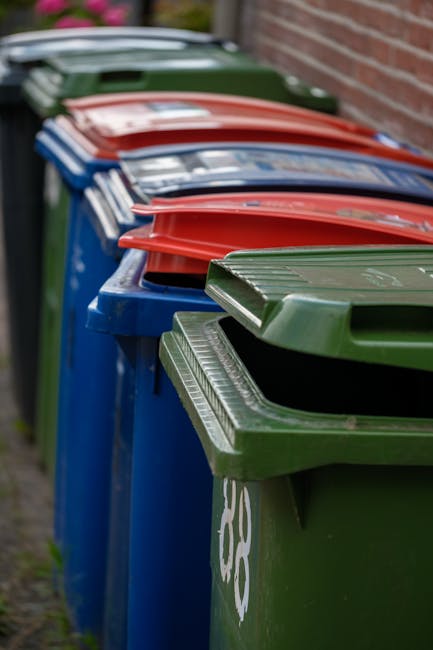
Hounslow Council rubbish rules and fines for Chiswick residents
If you live in Chiswick, rubbish collection can feel very straightforward until it suddenly isn't. One missed bin day, one bag left beside a wheelie bin, or one heavy item put out the wrong way, and you can end up with warnings, fly-tipping concerns, or fines. The rules set by Hounslow Council matter because they affect everyday life: what you can put out, when you can put it out, how bulky items should be handled, and what happens if waste is dumped badly. This guide explains Hounslow Council rubbish rules and fines for Chiswick residents in plain English, so you can avoid trouble and handle waste the right way.
We'll look at the practical side too. What counts as improper disposal? What are the common mistakes people make in terraced streets, flats, and shared courtyards? And what can you do if you have more rubbish than the normal collections can take? Let's make it simple.
Why Hounslow Council rubbish rules and fines for Chiswick residents Matters
In a place like Chiswick, where many homes are close together and pavements are busy, rubbish quickly becomes a neighbourhood issue rather than just a household one. A tidy set of bins outside the correct property is one thing. A smashed bag leaking onto the pavement on a damp Monday morning is another. You can almost feel the ripple effect: foxes, litter, complaints from neighbours, and extra pressure on already busy streets.
That is why Hounslow Council rubbish rules and fines for Chiswick residents matter. They are not just about being tidy for the sake of it. They are about public health, street cleanliness, pest control, and making collections work fairly for everyone. If you live in a flat, share a refuse area, or have limited front-garden space, the rules become even more important.
There is also a financial angle. Councils can issue fixed penalty notices or take further action for certain waste offences, especially where rubbish is left improperly, fly-tipped, or handled in a way that creates a nuisance. The exact enforcement approach depends on the circumstances, but the basic point is simple: if you ignore the rules, it can cost you. And to be fair, that is not a cost anyone wants for something avoidable.
Practical takeaway: if your waste is domestic, commercial, bulky, or construction-related, treat it differently from the start. Most problems happen when people assume all rubbish can be handled the same way. It can't.
How Hounslow Council rubbish rules and fines for Chiswick residents Works
The way local rubbish rules work is usually easier to understand once you break them into categories. Domestic bins, recycling, food waste, bulky items, garden waste, and trade or builders' waste each follow different expectations. If you put the wrong thing in the wrong container, or leave waste outside at the wrong time, the council may treat it as a breach of waste rules.
For Chiswick residents, the most common issues tend to be very ordinary ones: a bag left beside a full bin, cardboard not flattened, furniture abandoned after a move, or renovation waste mixed in with household rubbish. It sounds small, but councils often see these as preventable problems because they create mess quickly.
Enforcement can happen in stages. In many cases, residents may first receive advice, reminders, or warnings. In more serious cases, or where there is repeat behaviour, a fine or formal enforcement action may follow. Fly-tipping, in particular, is treated seriously because it affects the public realm and can be expensive to clear up.
Here is the practical bit most people miss: even if waste is collected by someone else, the responsibility does not disappear. If you hire help, use a private clearance team, or ask a neighbour to sort something out, you still need to be comfortable that the waste is handled properly. That's where reputable services such as waste removal support in Chiswick can make life a lot easier, especially when you have more than the council system can reasonably take in one go.
What typically triggers fines or enforcement?
- Leaving rubbish outside bins in a way that attracts pests or creates litter
- Putting waste out on the wrong day or too early
- Using the wrong bin for the material
- Dumping items on the pavement, beside communal bins, or in shared entrances
- Leaving bulky items without arranging lawful collection
- Passing waste to someone who then fly-tips it
- Mixing household waste with builders' rubble, plasterboard, or similar materials
In some streets around Chiswick, especially where parking is tight and access is awkward, the temptation is to just "leave it by the bin and sort it later." That later rarely arrives. The result can be a wet cardboard pile, a torn black bag, and complaints by tea time. Bit of a mess, really.
Key Benefits and Practical Advantages
Following the rules is not only about avoiding penalties. It also makes everyday waste handling much easier. When residents understand the system, collections tend to run more smoothly, shared bin stores stay cleaner, and there is less back-and-forth over who left what where. It sounds basic, because it is. But basics matter.
Some practical benefits include:
- Fewer risks of council fines or warning letters
- Cleaner kerbside and communal areas
- Less chance of attracting pests or overflow issues
- Better recycling outcomes when materials are separated properly
- Less stress during clear-outs, moves, or refurbishments
- Clearer responsibility in shared homes and flats
There is also a time-saving benefit. If you know what goes where, you spend less time second-guessing bin labels or waiting for someone to rescue a pile of rubbish from the hallway. For busy households, that can be the difference between a calm week and one more annoying task on the list.
Residents who are clearing a property after a move, renovation, or bereavement often find that ordinary council collections are not enough. In those cases, a planned clearance approach can be much more efficient than trying to squeeze everything into standard bins. Services such as house clearance or flat clearance can be useful when you need everything removed in one controlled visit, rather than over several weeks.
Who This Is For and When It Makes Sense
This guidance is for anyone in Chiswick who puts waste out for collection, but it is especially useful if your living situation is a bit more complex than a simple front drive and two bins.
- Households with limited storage for bins
- Residents in flats, maisonettes, and shared entrances
- Landlords managing tenant clear-outs
- People moving house and dealing with packing waste
- Homeowners clearing garages, lofts, or gardens
- Small businesses that produce regular non-domestic waste
- Anyone arranging DIY, decorating, or builders' waste
If you are in a flat block, the rules can feel less obvious because the bins are shared and responsibility can blur. Who brought out the extra bag? Who left the broken chair beside the chute? These are the kinds of situations where things go sour quickly. If there is one lesson from experience, it is this: shared waste areas need shared discipline. Otherwise, they become everyone's problem and nobody's fault. Which, naturally, means they stay a problem.
For business premises, the issue can be different again. Office clear-outs, retail refurbishments, and regular commercial collections often need a more structured approach. If that sounds like your situation, business waste removal and office clearance are worth looking at before waste starts stacking up in corridors or back rooms.
Step-by-Step Guidance
Here is a simple way to stay on the right side of the rules without overthinking it.
- Identify the type of waste. Separate general household rubbish, recycling, food waste, garden waste, bulky items, and any DIY or builders' waste.
- Check what your normal collection can take. Do not assume an item is allowed just because it fits in a bin bag. Weight, contamination, and material type matter.
- Store waste safely until collection day. Keep bags closed, dry where possible, and away from pathways or shared entrances.
- Put bins out at the correct time. Early placement can look untidy and may create a nuisance. Late placement means a missed collection. Both are avoidable.
- Do not leave loose items beside bins. If the bin is full, bag the contents properly or arrange a larger disposal option.
- Arrange lawful collection for bulky items. Furniture, appliances, and large clear-out items should not be dumped casually near the pavement.
- Handle renovation waste separately. Rubble, plaster, timber, and mixed construction waste usually need a different route from normal rubbish.
- Keep evidence of responsible disposal if needed. This is especially sensible for landlords, businesses, and anyone hiring outside help.
A small but useful habit: do a ten-second check before putting anything out. Is it secure? Is it in the right container? Would you be happy seeing it there if you walked past with your morning coffee? That little pause saves a surprising amount of trouble.
If you are clearing larger household items, it can help to compare disposal routes in advance. Furniture often needs a separate plan from general rubbish, so pages like furniture clearance and furniture disposal are a practical starting point when you want items removed properly rather than left to linger by the bins.
Expert Tips for Better Results
Over time, the residents who stay out of trouble usually do a few small things consistently. Nothing glamorous. Just the kind of habits that prevent a headache later.
- Flatten cardboard fully. It reduces volume and prevents the pile from spreading on windy days.
- Keep recycling clean and dry. Food residue and loose liquids can contaminate a whole bag.
- Use sturdy bags for general waste. Weak bags split at the worst moment. Usually right on the pavement.
- Separate garden waste from household rubbish. Grass cuttings and branches behave differently from black-bag waste.
- Plan around bank holidays and schedule changes. Collection days can shift, and people forget. Very human, that.
- Ask before leaving items in communal areas. A note in the stairwell or a quick message in a residents' group can prevent confusion.
For bigger clearances, the best tip is to avoid a last-minute pile-up. Don't wait until the evening before collection and then panic. I've seen people do that with a loft full of old boxes and a slightly cursed office chair. It rarely ends well. Start early, and split the job into batches.
If sustainability matters to you, it is also worth looking at disposal options that keep reuse and recycling in mind. A service with a clear recycling approach can help reduce what ends up as residual waste. You can read more about that approach on the site's recycling and sustainability page.
Common Mistakes to Avoid
Most fines and complaints start with a handful of predictable mistakes. Knowing them in advance makes life easier.
| Mistake | Why it causes trouble | Better approach |
|---|---|---|
| Leaving bags beside overflowing bins | Looks like dumped waste and often spreads | Wait for the next collection or arrange removal |
| Mixing bulky items into general rubbish | Can lead to missed collection or enforcement | Separate and book a suitable disposal route |
| Putting waste out too early | Creates street clutter and nuisance | Follow the correct collection timing |
| Using the wrong container | Contaminates recycling or landfill streams | Check the bin type before you put it out |
| Handing waste to an unlicensed remover | Risk of fly-tipping and potential liability issues | Use a reputable, traceable collection option |
One thing that catches people out is the "it's only one item" mindset. One mattress. One broken wardrobe. One builder's bag. On its own it looks harmless. But once it is left in the wrong place, it can quickly become a visible problem and, in some cases, an enforcement issue.
Another common issue is assuming someone else will sort it out. In shared properties, that can lead to a silent standoff that nobody wins. Everyone assumes the other person will move the waste, and the pile just sits there. Weeks later, it still sits there. Not ideal.
Tools, Resources and Recommendations
You do not need fancy equipment to follow waste rules, but a few practical tools help more than people expect.
- Recycling sacks or strong bin liners for keeping materials contained
- Marker labels for shared households or flats so residents know what belongs where
- Phone reminders for collection day and bin return times
- Measuring tape or rough volume estimate when planning a clearance
- Gloves and basic cleaning supplies for moving dusty or awkward items safely
For residents dealing with a loft, garage, or garden overrun with accumulated stuff, a little planning goes a long way. It is much easier to sort a few categories at once than to keep moving the same box around three times. If that is your situation, useful starting points include garage clearance, loft clearance, and garden clearance.
And if you are comparing professional help, do not just look at the headline promise. Check how waste is handled, whether the service is insured, and whether the process is clear. A proper provider should have sensible operational information such as health and safety information, insurance and safety details, and clear terms and conditions. That tells you a lot more than a cheerful slogan ever will.
Law, Compliance, Standards, or Best Practice
Waste disposal in the UK is not just a matter of common sense. There are legal and practical standards around keeping rubbish contained, disposing of waste properly, and avoiding fly-tipping. While the exact enforcement response varies, the underlying principle is consistent: waste should be transferred and disposed of responsibly, and householders can still be asked questions if their rubbish ends up dumped illegally.
For Chiswick residents, the safest approach is to treat waste compliance as part of normal home management. That means:
- keeping waste in appropriate containers until collection
- avoiding obstruction of pavements and shared access areas
- not mixing waste types in ways that create contamination
- using legitimate collection methods for bulky, commercial, or construction waste
- being cautious about who you pay to remove rubbish
Best practice is often more practical than people think. If you have more rubbish than the council system comfortably handles, arrange a private, traceable clearance with a clear scope. That is usually easier than trying to improvise with multiple trips to the tip, borrowed vans, and a bit of guesswork. Guesswork and waste, not a great pair.
For construction-related rubbish, there is a separate level of care needed. Mixed rubble, plasterboard, timber, and packaging can create compliance issues if everything is bundled together. If you are renovating, a dedicated option such as builders' waste clearance is usually the cleanest route.
Options, Methods, or Comparison Table
When you need to deal with waste in Chiswick, you generally have a few routes. The right choice depends on volume, urgency, and the type of material.
| Option | Best for | Strengths | Limitations |
|---|---|---|---|
| Council bin collections | Routine household waste and recycling | Convenient and familiar | Limited capacity; strict rules |
| Bulky item arrangement | Single large items | Suitable for furniture and appliances | Not ideal for mixed or large-volume clear-outs |
| Private waste removal | Mixed loads, urgent jobs, overfilled homes | Flexible and time-saving | Needs a trustworthy provider |
| Dedicated service by property type | Homes, flats, offices, garages, gardens | Structured and efficient | May be more than you need for a small bag of waste |
For many Chiswick households, the practical answer is not either/or. It is a combination. Use the council system for everyday waste and use a professional clearance route when the job goes beyond normal household output. That way you stay compliant without making the job harder than it needs to be.
Case Study or Real-World Example
A typical scenario goes like this. A couple in a Chiswick flat spend a weekend clearing out a spare room before a new baby arrives. There are cardboard boxes, an old chest of drawers, broken hangers, and a bag of mixed rubbish that no longer fits neatly into the shared bins. By Sunday evening, the hallway is beginning to look cramped, and the bin store is already near capacity.
They could try to squeeze everything into the normal collection over several weeks. But that would mean clutter in the flat, a growing pile in a shared area, and a decent chance of annoying neighbours. Instead, they sort the items into recyclable materials, general waste, and furniture, then arrange a proper clearance for the bulky bits. The result is simple: clean hallway, no overspill, no awkward note from the managing agent, and a much calmer start to the week.
That same logic applies to garage clear-outs, office moves, or post-renovation debris. The sooner you decide how the waste will be handled, the less likely you are to create a compliance issue by accident.
Practical Checklist
Use this before you put anything out.
- Have I identified the waste type correctly?
- Is it allowed in my normal bin or collection stream?
- Is the bag or container closed, dry, and secure?
- Am I putting it out on the correct day and at the correct time?
- Will it block pavements, entrances, or shared access?
- Do bulky items need separate collection?
- Could the material be recycled or reused?
- Do I know who is responsible if I live in a shared property?
- Am I confident the person removing it is legitimate and traceable?
- Would this look acceptable to a neighbour, a passer-by, or an enforcement officer?
If you can tick most of those off, you are in a much safer position. If several answers are "not sure," pause and sort that out first. A few minutes now can save a much bigger hassle later.
Get a free quote today and see how much you can save.
Conclusion
Hounslow Council rubbish rules and fines for Chiswick residents are really about keeping waste controlled, collections smooth, and streets free from avoidable mess. Once you understand the basics, the whole thing becomes much less stressful. Separate your waste, store it properly, put it out at the right time, and use the right disposal route when you have more than the council system can take.
That is the heart of it. A bit of planning, a bit of discipline, and a lot fewer headaches.
If you are dealing with a larger clear-out, a move, or a pile of items that simply will not fit into normal collections, it may be worth exploring options such as home clearance or checking the company's pricing and quotes page so you can plan properly before anything becomes a problem. And if you want to know more about the team behind the service, the about us page is there too.
Handle it once, handle it well, and you will spare yourself a lot of bother. That's usually the best outcome, honestly.
Frequently Asked Questions
What are the main rubbish rules Chiswick residents need to follow?
The main rules are to separate waste correctly, use the right bins, put rubbish out on the correct day, and avoid leaving loose bags or items on the pavement. Bulky waste and construction waste usually need separate handling.
Can Hounslow Council fine me for leaving rubbish beside a full bin?
Yes, it can be treated as improper disposal or a waste nuisance depending on the circumstances. If it becomes a repeated issue or looks like fly-tipping, enforcement is more likely.
Do these rules apply if I live in a flat with shared bins?
Yes. Shared bin areas still need to be kept tidy and used properly. In flats, clear communication matters because one person leaving the wrong waste can affect everyone.
What should I do with old furniture in Chiswick?
Large furniture should not be left casually by the bins. Arrange a lawful bulky collection or a dedicated furniture disposal option so it is removed properly.
Is builders' waste treated differently from normal household rubbish?
It usually is. Waste from renovations, repairs, or building work often needs a separate clearance route because it can contain heavier or mixed materials.
What happens if someone else dumps waste using my address or rubbish?
That can be complicated, but householders are often expected to show they acted responsibly. Keep records where you can and avoid using anyone who cannot be trusted to dispose of waste legally.
Can I put garden waste in with my general rubbish?
Usually it is better to keep it separate. Garden waste often has its own handling expectations, and mixing it with general waste can create problems at collection or disposal stage.
How can I avoid fines when moving house?
Start clearing early, separate reusable items, bag rubbish securely, and arrange special disposal for anything bulky. Moving generates more waste than people expect, so planning helps a lot.
Is it better to use council collections or a private waste service?
For routine rubbish, council collections are usually fine. For larger volumes, bulky items, or time-sensitive clear-outs, a private service can be more practical and less stressful.
What should I check before hiring someone to remove rubbish?
Check that the service is clear about what it takes, how it handles waste, and what terms apply. It is also sensible to look at safety and insurance information before booking.
Can rubbish outside my property still count as my responsibility?
Often, yes. If waste is associated with your household or business, you should assume responsibility until it is properly transferred and disposed of.
What is the simplest way to stay compliant without overthinking it?
Keep rubbish contained, use the correct collection route, and do not leave anything ambiguous on the pavement or in communal areas. Simple habits go a long way.